
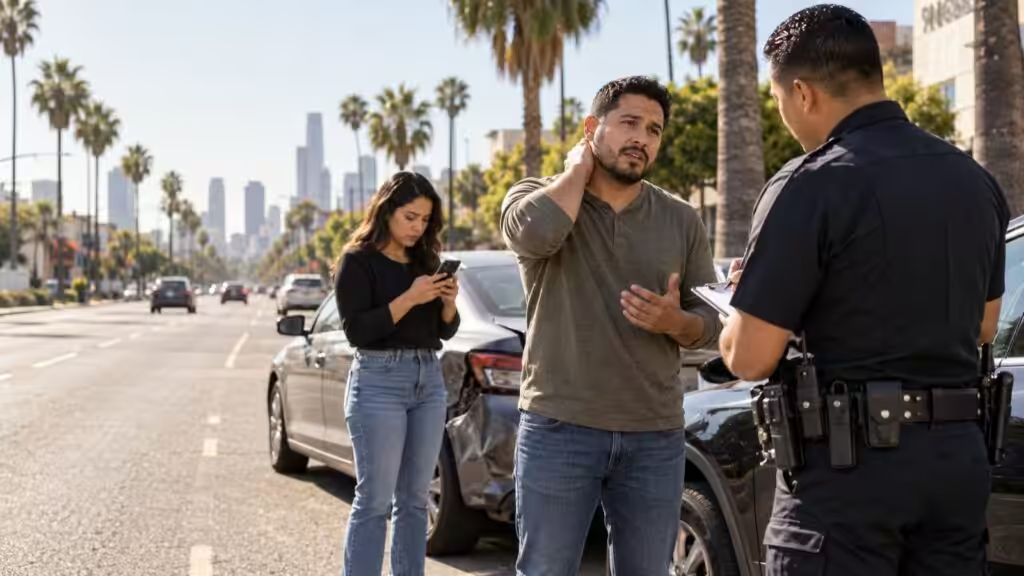
Reporting injuries after a California car accident is important: if you feel pain, dizziness, numbness, confusion, or another symptom, say so clearly and ask that it be documented. Some officers may not prepare a full collision report when everyone says they are uninjured and the damage appears minor. That can create an avoidable evidence problem when symptoms worsen later.
This guide explains how to report injuries honestly, when to seek medical care, what to do if no police report is made, and how to preserve an injury claim. It provides general information, not medical or legal advice for a particular case.
Why reporting symptoms at the scene matters
Adrenaline can mask pain. Neck stiffness, headaches, back pain, tingling, dizziness, or anxiety may appear hours or days after impact. You do not need to diagnose yourself, but you should not minimize what you are feeling. Tell the responding officer and emergency personnel exactly where you hurt, when the symptom began, and whether it is changing.
A statement such as “I feel pain in my neck and left shoulder and I would like medical evaluation” is more useful than guessing that you are fine. Ask the officer to record the complaint and obtain the incident or report number if one is assigned.
Will police always make a collision report?
Not necessarily. Agency practices, location, apparent injury, roadway conditions, and available resources can affect the response. A report is valuable evidence, but its absence does not automatically prevent a claim. You can still build a reliable record through photographs, medical documentation, witness information, insurance exchanges, repair estimates, and written notes made while events are fresh.
If law enforcement was not present and someone was injured, California DMV guidance says the collision should be reported in writing to the police or CHP immediately. The DMV also requires an SR-1 report within 10 days when anyone is injured or killed, or when property damage exceeds $1,000. The SR-1 is separate from any police, CHP, or insurance report.
What to do if you initially said you were not injured
- Get appropriate medical care. Do not delay urgent care because of paperwork or insurance questions.
- Be accurate about timing. Tell the provider when each symptom started and how it affects sleep, work, driving, and daily activity.
- Notify the insurer without speculation. You can report that you are receiving evaluation without giving a rushed recorded statement or guessing about the diagnosis.
- Preserve evidence. Save photographs, discharge papers, appointment records, medication receipts, wage-loss information, and every claim number.
- Request the report. If CHP investigated, see our CHP 190 collision report guide.
A police report does not decide the entire claim
An officer may arrive after the impact and rely on statements, debris, vehicle positions, and visible damage. The report may help identify parties and witnesses, but insurers can consider other evidence. Video, photographs, event-data records, medical evidence, and independent witness accounts may clarify disputed facts.
When should you speak with a lawyer?
Consider getting advice when injuries are more than minor, symptoms are worsening, fault is disputed, a commercial or rideshare vehicle is involved, or an insurer pressures you for a quick settlement. A lawyer can help obtain the report, preserve evidence, identify available coverage, communicate with insurers, and document both medical and financial harm.
The L.A. Law Firm helps injured people throughout Southern California. Call (866) 383-1462 for a free consultation, or learn more from our Los Angeles car accident lawyers.
Frequently asked questions
Can I make an injury claim if the police report says “no injury”?
Possibly. A report is one piece of evidence. Medical records, symptom timing, crash forces, photographs, and other evidence may matter. Prompt, truthful documentation is important.
What if the officer would not make a report?
Ask for an incident number or call record, document the scene yourself, exchange information, collect witness contacts, notify the appropriate agency if an injury was involved, and file any required DMV SR-1.
Should I wait for the police report before seeing a doctor?
No. Medical decisions should be based on your symptoms and a qualified professional’s advice, not the report’s availability.
Does filing an SR-1 mean I was at fault?
No. The DMV reporting requirement applies regardless of who caused the collision.
For quick answers about police reports, medical care, evidence, insurance, and settlements, visit our California car accident FAQ.
This article is general information and does not create an attorney-client relationship. Results depend on the specific facts, available insurance, evidence, and applicable law.





