California Car Accident FAQ
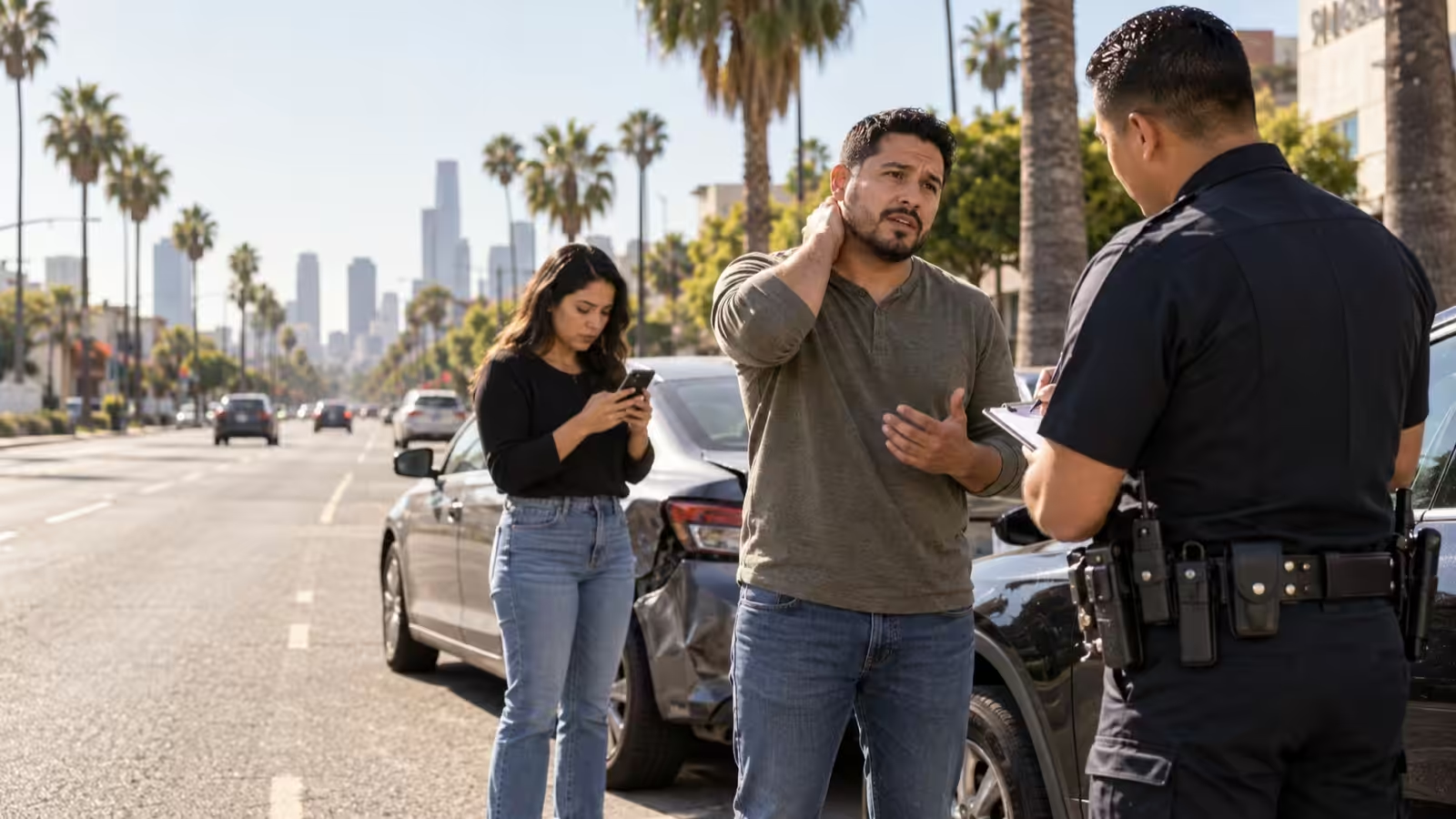
This California car accident FAQ gives direct answers to the questions injured drivers and passengers ask most often. It covers police reports, medical care, evidence, property damage, rideshare crashes, delivery trucks, and auto insurance. Use it as a starting point, not a substitute for advice about your specific case.
Police reports and accident reporting
What should I tell police about an injury?
Describe every symptom accurately, including pain, dizziness, numbness, confusion, or reduced movement. Do not diagnose yourself or exaggerate. Ask that the complaint be documented.
What if police do not make a report?
Ask for an incident or call number, document the scene, collect driver and witness information, seek needed medical care, and make any required reports. California DMV requires an SR-1 within 10 days when someone is injured or killed, or property damage exceeds $1,000.
Is the SR-1 the same as the police report?
No. The DMV states that an SR-1 is required in addition to reports made to police, CHP, or an insurer.
How do I request a CHP collision report?
An involved or otherwise qualified party can request it using CHP’s process. See our step-by-step CHP 190 guide.
Medical care and injury documentation
What if pain starts the next day?
Seek appropriate medical evaluation and explain when the symptoms began. Adrenaline and inflammation can affect when symptoms are noticed, but consistent and truthful documentation matters.
Should I wait for the insurer to approve treatment?
Do not postpone urgent care because an adjuster has not returned a call. Discuss medical decisions with qualified providers and ask how bills will be handled.
What records should I keep?
Keep visit summaries, bills, prescriptions, work restrictions, wage records, mileage, receipts, photographs, and a dated record of how the injuries affect normal activities.
Evidence and liability
What should I photograph?
Photograph all sides of every vehicle, points of impact, plates, debris, lane markings, traffic signals, roadway conditions, visible injuries, and the surrounding scene—only when safe.
Does the police report decide who is legally responsible?
Not always. A report is important evidence, but photographs, video, witnesses, vehicle data, and other records may support or challenge it.
What if both drivers blame each other?
Preserve independent evidence quickly. Witnesses and video can disappear, and vehicles may be repaired. A lawyer can help investigate comparative fault and present the evidence.
Vehicle damage and insurance
Can I use my own collision coverage?
Often yes, subject to your deductible and policy. Your insurer may later seek reimbursement from the at-fault party.
What are UM and UIM?
Uninsured motorist coverage may protect against an at-fault driver with no applicable insurance. Underinsured motorist coverage may help when the at-fault limits are too low for the documented injuries.
What is MedPay?
Medical payments coverage can pay eligible accident-related medical expenses for insured people and passengers regardless of fault, up to the purchased limit.
Why is a commercial insurer delaying property damage?
The insurer may be investigating vehicle ownership, driver status, employer relationships, coverage, or fault. Ask for the reason in writing and review whether your own collision or rental coverage can help.
Rideshare and commercial-vehicle crashes
Does a rideshare passenger carry fault?
A passenger ordinarily is not controlling either vehicle, but the claim still requires proof of the responsible driver, injury, damages, and applicable coverage.
What rideshare information should I save?
Screenshot the driver, vehicle, route, pickup, destination, receipt, and trip status. Save all in-app reports, emails, and claim numbers.
Why do delivery-truck cases need early investigation?
Business records, app data, GPS information, vehicle evidence, and video can be lost. Several companies and policies may be involved.
Settlements and legal help
Should I accept the first offer?
Not before you understand the injuries, future care, lost income, liens, available insurance, and the claims released. A signed release is usually final.
When should I contact a personal injury lawyer?
Early advice can help when injuries are significant, fault is disputed, evidence may disappear, a commercial or rideshare vehicle is involved, or an insurer is pressuring you.
Related California accident guides
- Reporting injuries and requesting police documentation
- Documenting vehicle damage and disputed liability
- California rideshare passenger accident claims
- Commercial delivery truck accident claims
- Collision, UM/UIM, UMPD, liability and MedPay
The L.A. Law Firm offers free consultations for accident victims throughout Southern California. Call (866) 383-1462 or visit our car accident resource page.
These answers are general information, not legal or medical advice, and do not create an attorney-client relationship.