
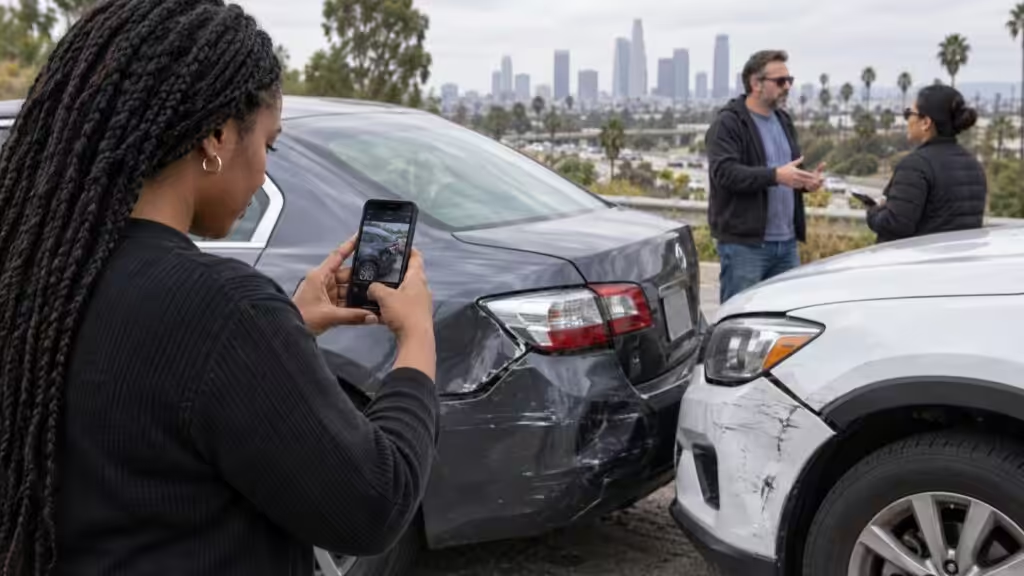
Photos, witness names, vehicle positions, and police information can determine whether an insurer accepts liability or turns a straightforward crash into a dispute. If it is safe to do so, document the scene before vehicles are repaired, moved, or destroyed.
Below is a practical California accident-evidence checklist. Safety and medical care come first; collect only what you can without entering traffic or worsening an injury.
Photograph both vehicles—not only your damage
Take wide photographs showing the overall scene and close photographs showing points of impact. Capture all sides of both vehicles, license plates, debris, skid marks, lane markings, traffic controls, road defects, and weather or lighting conditions. A short video walking around the vehicles can preserve context that isolated images miss.
Photograph damage even when it looks small. Modern bumpers can hide internal components, sensors, brackets, and crash structures. Do not state that a vehicle has “no damage” before a qualified inspection.
Collect complete driver and insurance information
- Driver’s name, address, telephone number, and license information
- Vehicle owner’s name if different from the driver
- License plate, make, model, color, and vehicle identification number when available
- Insurance company, policy number, and policyholder name
- Employer or business information when the vehicle is commercial
- Rideshare or delivery app status when relevant
A photograph of the insurance card and driver’s license can reduce transcription errors, but protect the images and share them only with people who legitimately need them.
Find independent witnesses
Witnesses often leave before police arrive. Ask for a name, telephone number, email address, and a short description of what the person saw. Note where the witness was standing or driving. Avoid coaching the witness or debating the other driver.
Look for nearby businesses, homes, buses, dashcams, and traffic cameras. Video may be overwritten quickly, so a preservation request may need to be sent promptly.
Get the report number and verify the report
Ask for the investigating agency, officer’s name or badge number, and incident or report number. When the report becomes available, check names, insurance, vehicle information, witness entries, the diagram, and statements attributed to you. If CHP handled the crash, our CHP 190 guide explains the request process.
A report can be persuasive, but it does not necessarily decide legal fault. Preserve evidence that confirms or challenges the officer’s conclusions.
Document injuries and financial losses
Keep medical appointment summaries, prescriptions, mileage, out-of-pocket receipts, work restrictions, pay information, repair estimates, towing invoices, rental records, and communications with insurers. A simple dated journal can record pain, sleep problems, missed activities, and recovery milestones without exaggeration.
The California Department of Insurance explains that proof of claim includes documents supporting the existence and amount of a loss. Organized records make it easier to present a coherent claim.
Common evidence mistakes
- Taking only one close-up photograph with no scene context
- Failing to photograph the other vehicle
- Trusting that a business will keep surveillance video indefinitely
- Posting crash details or recovery activities publicly on social media
- Repairing or disposing of important property before it is inspected
- Giving a recorded statement while medicated, confused, or uncertain
How a lawyer can help clear disputed liability
A personal injury lawyer can organize photographs and records, contact witnesses, request video, review vehicle damage, obtain public reports, identify commercial policies, and present the evidence to the appropriate insurers. This can be especially important in lane-change crashes, multi-vehicle collisions, hit-and-runs, and cases where each driver gives a different account.
If you need help preserving evidence after a Southern California collision, call The L.A. Law Firm at (866) 383-1462 for a free consultation. You can also review our guides to property-damage claims and car accident cases.
Frequently asked questions
What photographs are most important after a crash?
Wide scene views, all sides of both vehicles, points of impact, plates, traffic controls, roadway evidence, visible injuries, and relevant surroundings are useful. Take them only when it is safe.
Can a witness statement overcome a disputed police report?
An independent witness can be important, but the strength of any evidence depends on credibility, detail, consistency, and the rest of the record.
How long should I keep accident records?
Keep originals and backed-up copies while any injury, property-damage, insurance, or legal issue remains unresolved. Legal deadlines vary, so obtain advice early.
For quick answers about police reports, medical care, evidence, insurance, and settlements, visit our California car accident FAQ.
This article provides general information, not legal advice, and does not create an attorney-client relationship.





