
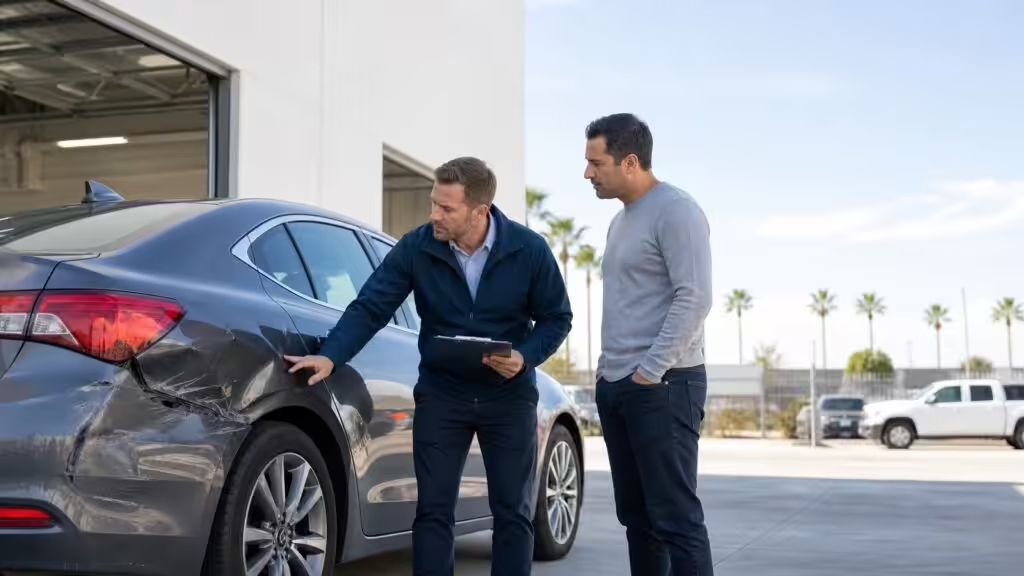
After a California car accident, the vehicle problem can become urgent before the injury claim is understood. You may need transportation to work or treatment, the tow yard may be charging daily storage fees, and an insurer may be asking you to accept a repair estimate or total-loss value immediately.
If you are injured and also trying to get your car fixed, replaced, or released from storage, this guide explains the major parts of a California car accident property damage claim and the records worth keeping.
What Can a Property Damage Claim Include?
Depending on the facts, a vehicle-property claim may include:
- Reasonable repair costs
- Actual cash value when the vehicle is a total loss
- Towing and reasonable storage charges
- Rental-car or other loss-of-use expenses
- Damaged personal property inside the vehicle
- Potential diminished value after quality repairs
- Related taxes and fees where applicable
What is recoverable can depend on fault, available coverage, policy language, the vehicle’s condition, and the evidence supporting each loss.
Start With Photographs and Written Records
Photograph the vehicle from all four sides, close up and at a distance. Include the point of impact, interior damage, deployed airbags, broken glass, child seats, damaged personal items, tire or suspension damage, and the vehicle identification number. If possible, take scene photographs showing both vehicles and the roadway.
Save the tow slip, storage notices, repair estimates, receipts, rental agreement, rideshare expenses, registration, loan payoff information, and service records showing the vehicle’s pre-accident condition. Communicate with insurers in writing when practical so there is a clear record of approvals, denials, and deadlines.
Repairs: Review the Estimate Carefully
An initial estimate may not include hidden damage discovered after disassembly. Ask the repair shop how supplements are handled and whether the insurer must approve additional work. Confirm whether original manufacturer, aftermarket, recycled, or reconditioned parts are proposed and ask how each choice may affect fit, safety systems, warranties, and value.
Do not sign a completion or satisfaction document until you have inspected the repairs and understand any remaining problems. Save the final itemized invoice and photographs of the completed work.
When the Insurer Calls the Car a Total Loss
A total loss does not necessarily mean the vehicle cannot be repaired. It generally means the insurer determined that repair cost, salvage value, and applicable valuation rules make repair economically impractical.
Ask for the full written valuation. Check the year, make, model, trim, mileage, options, prior condition, and comparable vehicles. Identify missing upgrades, recent tires, or major maintenance, but understand that routine upkeep does not always add dollar-for-dollar value. If comparable vehicles are far away, differently equipped, or not actually available, document the problem and request a review.
Rental Cars and Loss of Use
Ask early whether a rental is authorized, the daily limit, vehicle class, approved company, and end date. Coverage may end shortly after repairs are completed or a total-loss offer is made, even if you have not purchased another vehicle. Keep all rental, rideshare, public-transit, or replacement-transportation receipts and make reasonable efforts to limit avoidable costs.
What Is Diminished Value?
Even after proper repairs, a vehicle with an accident history may sell for less than a comparable vehicle with no collision record. A diminished-value claim seeks the difference attributable to the crash. Whether the claim is viable depends on the severity and location of damage, quality of repairs, age, mileage, market, prior history, and available evidence.
A generic online calculator may not be persuasive. Vehicle-history reports, pre- and post-repair inspections, comparable sales, dealer statements, photographs, and a qualified appraisal may provide stronger support.
Do Not Confuse Property Damage With the Injury Claim
Property damage and bodily injury are usually evaluated separately. The injury claim may include medical expenses, future care, lost income, reduced earning capacity, and pain or emotional harm. Before signing a release, confirm in writing whether it resolves only vehicle damage or also releases personal-injury claims.
This distinction matters when symptoms appear after the car has already been repaired or paid off. A fast property settlement should not unintentionally close an unresolved injury claim.
California Reporting and Insurance Facts
The California DMV requires an SR-1 report within 10 days if anyone is injured or killed, or if property damage exceeds $1,000. This requirement is separate from a police report and insurance claim.
The California Department of Insurance lists the current standard-policy minimum property-damage liability limit as $15,000. Repair or replacement costs can exceed that amount, particularly when several vehicles are damaged. Collision coverage, uninsured-motorist property-damage coverage, or claims against additional responsible parties may need review.
Common Property-Damage Mistakes
- Leaving the vehicle in costly storage without asking when charges began
- Allowing the vehicle to be sold or destroyed before disputed evidence is preserved
- Accepting an inaccurate total-loss valuation without reviewing the comparables
- Failing to document personal property damaged inside the car
- Missing the SR-1 deadline because a police report was filed
- Signing a release that is broader than the property-damage settlement
Get Help With the Injury and Property Damage After a Crash
If this sounds like your situation—your car is in a tow yard, the valuation seems too low, you cannot get a rental, or pain is developing while insurers argue about fault—call The L.A. Law Firm. We help personal-injury clients understand how vehicle damage, medical treatment, wage loss, and insurance coverage fit together.
Call (866) 383-1462 for a free consultation. Our Los Angeles car accident lawyers serve injured drivers and passengers throughout Southern California.
This article provides general information, not legal advice. Insurance coverage and legal deadlines depend on the facts and policy language.



