
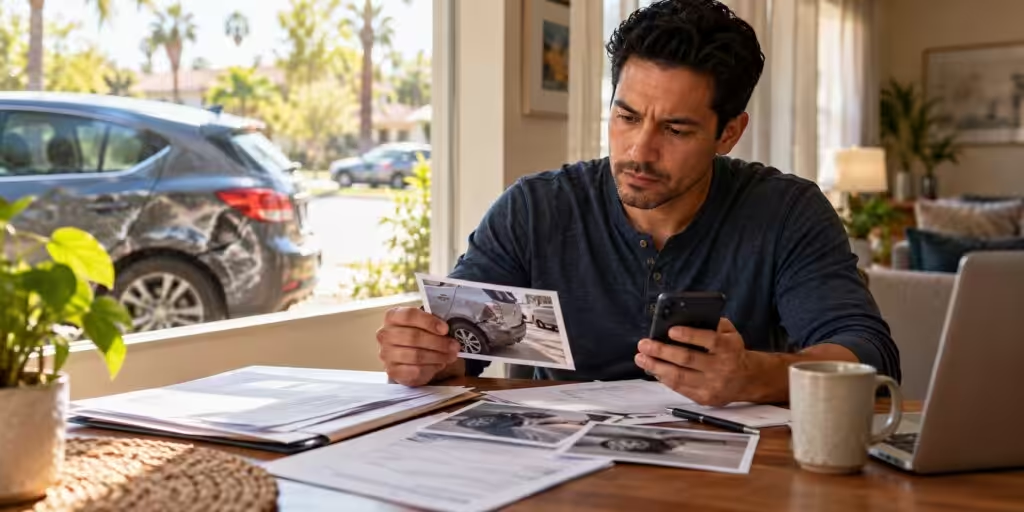
The other driver leaves before you can collect a name or insurance information. You may be hurt, your vehicle may need repairs and you may wonder whether your own policy can help. After a hit-and-run accident with injuries, immediate safety, prompt reporting and policy details all matter.
What should you do at the scene?
Call emergency services when needed and seek medical care. If safe, record the direction the vehicle traveled, a partial plate or description, photographs, nearby cameras and witness contacts. Ask the investigating agency how to obtain a report. Do not pursue the fleeing driver. Save repair estimates, towing receipts and all insurer communications.
Can uninsured-motorist insurance apply?
Possibly, but a hit-and-run claim is not automatic. California’s Department of Insurance distinguishes UM bodily injury, UM property damage, collision and other coverages. The unidentified-driver requirements and exclusions in your actual policy are important. In particular, do not assume UM property damage pays for an unidentified vehicle; collision coverage may be relevant to vehicle repair. Ask your insurer to identify the specific policy provisions it is applying.
California’s DMV separately requires an SR-1 within 10 days when anyone is injured or property damage exceeds $1,000, even if police investigate.
When can an attorney help?
A lawyer can review the evidence of contact and injury, preservation of camera footage, notice requirements and available policies. If another driver is later identified, the analysis may change. No one can determine coverage or case value without the facts and policy.
See our car-accident practice and UM/UIM explainer. To discuss a hit-and-run, request a free consultation or call (866) 383-1462. General information only, not individualized advice.



